

If you have spent any length of time at a local club or watched a Saturday arvo sweep, you already understand how a live presenter can change the pace of a game. That same energy now sits behind a growing wave of digital tables built around studio-style formats, and it is reshaping how Australians approach game show casino real money australia. The draw is not just the colours on screen; it is the structure, the pacing, and the way repeat play gets rewarded long after the first deposit clears. Operators in this corner tend to price the experience around transparency and ongoing value, rather than leaning on a one-off bonus that quietly disappears.
For a handful of players, the appeal mirrors what happened when Texas Hold’em became dominant thanks to televised tournaments – the format itself did the heavy lifting, and the audience followed. That same logic applies here: a clear host, visible rules, and rounds that resolve in minutes can suit a lunch break or a quiet night in. If you want to compare how a studio-led setup stacks up against more traditional lobbies, https://operationrockstar.com/ lays out its own approach in plain terms, so you can see whether the pace and the reward structure match how you actually like to play. A quick read through a local discussion board such as https://reddit.com/r/sydney/ will also show how different suburbs talk about the same product, which is a useful reality check before you settle on a pace.
Why the studio format suits a different kind of player
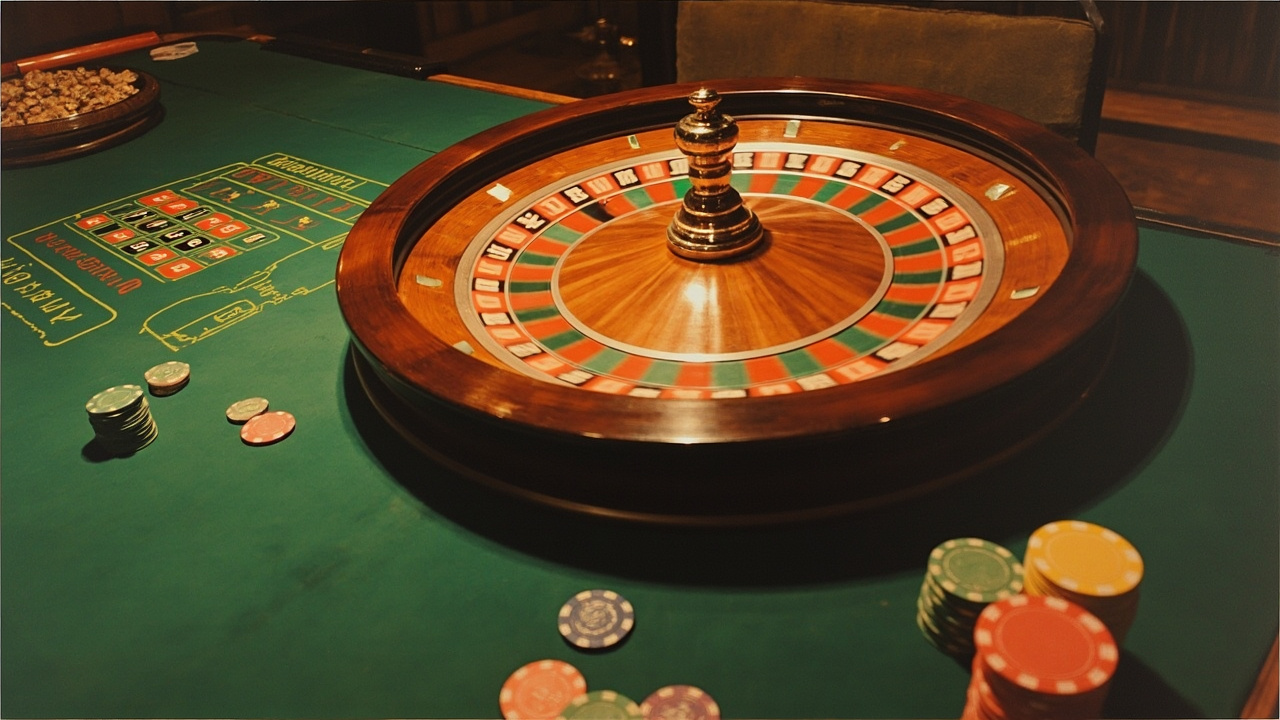
The first thing worth weighing is what you are actually buying into. A game show casino real money australia setup is built around a presenter, a visible game board, and rounds that move at a pace you can follow without digging through rules mid-spin. That matters because it changes how you budget your time as much as your balance. You can sit down for a single round between meetings, or stretch a session across an evening without the friction of a slow-loading lobby or a table that never quite feels settled. The format leans on clarity, which suits players who prefer to know where they stand before the next round starts.
That clarity has a practical side too. Presenters call the pace, the rounds resolve quickly, and the rules tend to stay visible on screen rather than buried in a help tab. If you are used to the old Tatts sweeps on major races were once a national obsession, you will recognise the same pull: a fixed schedule, a visible outcome, and a reason to check back next time without feeling like you have to chase a moving target. The difference now is that the schedule is yours to set, and the rounds do not wait on a race day. For players who want a structured session rather than an open-ended grind, that is the whole point.
Ongoing value after the welcome offer
A welcome offer can open the door, but the reason people keep coming back is what happens after. In this space, the more useful question is whether a site keeps rewarding repeat play in ways that feel consistent rather than conditional. The better setups tend to run recurring promos that land on a schedule you can actually plan around, plus a loyalty or VIP track that recognises steady play instead of just big swings. Cashback that applies to a defined window, or tournament seats that drop into a calendar you can check before you log in, usually matters more than a one-off match that sits behind a long list of fine print.
This is where a lot of operators diverge. Some lean on a headline bonus and then leave you with a lobby that feels quiet after the first week. Others build a rhythm around the product itself: regular tournaments, visible leaderboards, and a rewards tier that keeps something in motion even when you are not chasing a big win. If you are the sort of player who likes to log in a few times a week rather than blow through a balance in one sitting, those recurring touches are what turn a novelty into a habit you can manage. The trick is to look for what repeats, not just what greets you on day one.
Payments, registration and the mobile reality
Money movement is where a lot of players do their first reality check, and it should be simple enough to understand without a spreadsheet. A decent setup keeps registration short, asks for the usual identity checks without burying them, and handles AUD so you are not mentally converting every deposit and withdrawal. If the currency stays local and the payment options match how you already move money, you spend less time on admin and more time on the actual round. That sounds basic, but it is the difference between a site that feels built for you and one that feels built for someone else’s market.
Mobile play is where most of this happens now, and the format has to hold up on a phone without turning into a compressed mess. A studio-led game should load cleanly, keep the presenter and the board readable, and not force you to pinch and scroll just to see what you are betting. The Gold Coast is a useful touchstone here: a lot of sessions happen on the commute, at the beach after a long day, or in a hotel room between meetings, and the product has to survive that kind of use without feeling clunky. If the mobile experience only really works on a tablet with a stable connection, it is not really ready for how people actually play.
How to read the format without overreading the odds
A studio game can feel lively, but it is still a game with rules, limits, and a house edge that does not disappear because there is a presenter on screen. The sensible approach is to treat the format like what it is: a structured round with visible outcomes, not a shortcut around the ordinary maths. That means paying attention to stake limits, understanding what each round actually pays, and not letting the showmanship persuade you that the next spin is somehow more likely to land because the host just called a big one. The entertainment is real; the edge is not.
If you want a grounded way to think about it, Sophie Lewis, Responsible Gambling Adviser, Southern Cross Gaming Advisory, has pointed out that the clearest safeguard is a player who knows the difference between neospinsnodeposit.com a fun format and a false sense of control. That is the line worth holding onto. Set a session limit, keep the pace in check, and treat the rounds like a paid entertainment product rather than a plan. The Cotai Strip in Macau was built on reclaimed land to host a cluster of mega-resorts, and the lesson is blunt: a polished environment can be spectacular without changing the fundamentals underneath. The same goes for a digital studio game. The presentation can be sharp, but the rules still set the pace.
A good session is one you can finish without feeling like you have to chase the next round to make the evening worthwhile. If the format keeps you interested, the recurring rewards keep showing up, and the money side stays straightforward, you have got a setup that fits how a lot of Australians actually want to play. If it feels like a gimmick dressed up as a product, it is better to walk away and leave the balance where it sits.
